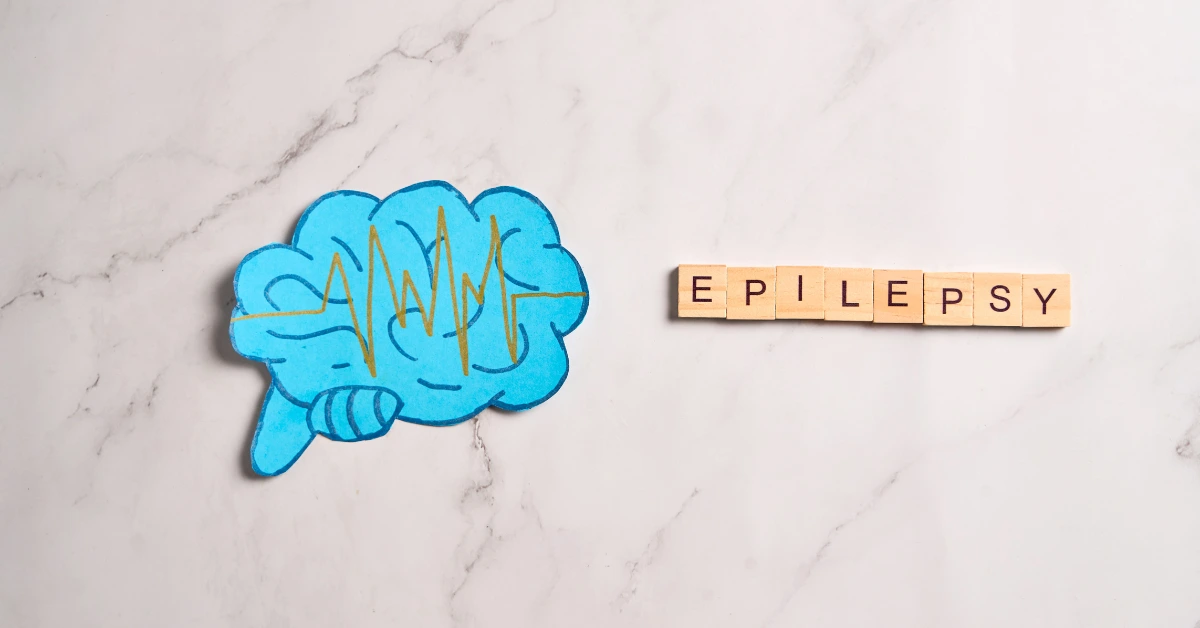
Ever experience migraines or a pounding one-sided headache that leaves you dizzy or feeling sick? Often, this signals a migraine rather than a simple headache. Migraines involve more than just head pain.
In this article, we explain how migraines differ from ordinary headaches. We also explore common triggers you should watch for. In addition, we cover practical ways to prevent and ease attacks.
These include integrative and lifestyle approaches that support better outcomes. We also discuss holistic remedies and when to seek professional help. By the end, you will feel more confident managing head pain and finding support through services like CannaTelehealth.
Migraine vs. Headache: Know the Difference
Migraines are not just “really bad headaches.” A migraine usually causes throbbing, pulsing pain on one side of the head and can last for hours or even days. They often come with nausea or vomiting, along with strong sensitivity to light and sound.
Some people also experience warning auras before the headache begins. These may include flashes of light, blind spots, or tingling in the limbs. In contrast, a tension-type headache feels like a tight band around both sides of the head. Meanwhile, cluster headaches cause short but intense bursts of pain, often around one eye.
Understanding these differences helps you treat migraines appropriately. For example, migraine-specific relief such as triptans may work better than general painkillers.
Identify Your Triggers
Migraines often hit when several “triggers” add up and overflow your migraine threshold. Imagine each trigger adds water to a bucket; when it spills over, a migraine starts. Common triggers include:
- Foods & Drink: Aged cheeses, chocolate, processed meats, MSG, and red wine are known culprits. Too much caffeine or alcohol can trigger attacks (or withdrawal headaches when cut off). Skipping meals or dehydration also adds to your “bucket”.
- Sleep & Routine: Missing sleep, oversleeping, or jet lag disrupts your body clock and can trigger pain.
- Stress & Emotions: Intense stress (or even the let-down after stress) often sparks migraines.
- Sensory Sensitivity: Bright sunlight, flickering screens, loud noises, or strong smells (e.g., perfume, smoke) can trigger an attack.
- Hormones: Many women get migraines tied to hormonal shifts (periods, menopause).
- Environment: Weather changes, high altitude or barometric pressure shifts are also common triggers.
Tip: Keep a headache diary and jot down what you eat, sleep, or feel before each attack. Over time, you’ll spot patterns (bright lights or a late night might be culprits) and can then avoid those triggers.
Prevention: Lifestyle Changes That Help
The good news is that healthy habits can prevent many migraines. Raising your migraine “threshold” means your bucket holds more before overflowing. Try these strategies:
- Sleep Hygiene: Aim for 7–8 hours a night on a consistent schedule. Avoid screens before bed, and make your bedroom dark and cool.
- Regular Meals & Hydration: Don’t skip breakfast or long stretches without food. Eating balanced, nutrient-rich meals (with protein, healthy fats and fibre) keeps blood sugar steady and helps avoid attacks. Drink water throughout the day – dehydration is a known headache trigger.
- Exercise & Relaxation: Gentle aerobic exercise (walking, yoga or swimming) several times a week can reduce migraine frequency. Mind-body practices like yoga, tai chi or breathing exercises help manage stress and muscle tension (common migraine triggers). Even 5 minutes of deep breathing or meditation can calm your nervous system.
- Limit Known Triggers: If your diary shows coffee or cheese often leads to pain, moderate or avoid them. Use sunglasses or blue-light filters to cut glare, and keep work/study areas well-lit and screen breaks frequent.
- Stress Management: Techniques like progressive muscle relaxation, mindfulness or counselling (e.g. CBT) can teach you to cope with anxiety or stress, raising your tolerance to triggers. Biofeedback and other therapies also train you to relax key muscles and reduce headache intensity.
Small daily habits go a long way. Over time, consistent sleep, meals and gentle exercise will help you avoid many attacks.
Holistic Remedies & Supplements
Beyond habits, some natural remedies can complement medical care. Always check with a healthcare provider before starting new supplements. Options used for migraine include:
- Magnesium: Many migraineurs have low magnesium. Regular supplements (or eating magnesium-rich foods like nuts, seeds and leafy greens) may cut attack frequency.
- Vitamin B2 (Riboflavin): High doses of B2 have been shown to prevent migraines in some people.
- CoQ10 (Coenzyme Q10): This antioxidant vitamin may reduce migraine days and shorten attacks.
- Herbal Options: Feverfew and butterbur are herbs some people use to prevent migraines. (Ensure butterbur is PA-free to avoid liver risks.)
- Essential Oils: Peppermint oil applied to the temples or lavender oil inhalation may ease headache pain for some sufferers. Peppermint (menthol) has mild pain-relief effects.
While evidence varies, these natural options are generally safe when used properly. They can be part of an integrative plan alongside conventional treatments.
When to See a Doctor

If headaches are frequent or disabling, a GP can help you take the right next step. They may prescribe migraine-specific medications such as triptans and review preventive options. These can include low-dose antidepressants, blood pressure medicines, or newer CGRP blockers.
It is important to be cautious with medication-overuse headaches. Using painkillers too often can worsen symptoms over time.
Telehealth also makes it easier to access specialist support. For example, clinicians at CannaTelehealth often recommend keeping a headache diary to help identify triggers. During an online consultation, they can guide you through treatment options and discuss whether medicinal cannabis may be appropriate in some cases. Early research suggests some patients report fewer migraines with inhaled cannabis, although further studies are still needed.
Finally, any severe or changing headache pattern should always be checked by a healthcare professional. With the right plan and support, including lifestyle changes, natural therapies, and telehealth guidance, many people reduce migraine frequency and improve their quality of life.
Take Control of Migraines & Recurrent Headaches with Personalised Care
Living with migraines or frequent headaches can feel frustrating, but you are not powerless. By understanding the difference between a migraine and a usual headache, you can respond more effectively. In addition, identifying your personal triggers helps you take early control. You can also adopt holistic prevention strategies, including diet, sleep, relaxation, and supplements. Together, these approaches help you stay one step ahead of the pain.
At the same time, professional support is available when you need it. CannaTelehealth connects you with Australian GPs and nurse practitioners who specialise in headache management. They create personalised treatment plans tailored to your needs. Through telehealth appointments, you can access advice, prescriptions, and ongoing care. In some cases, they may also explore medicinal cannabis options where appropriate.
Do not suffer in silence if headaches are disrupting your life. Instead, consider speaking with a trusted GP or booking a telehealth consultation through CannaTelehealth. With the right balance of natural strategies and medical care, you can reduce headache frequency and improve your quality of life.