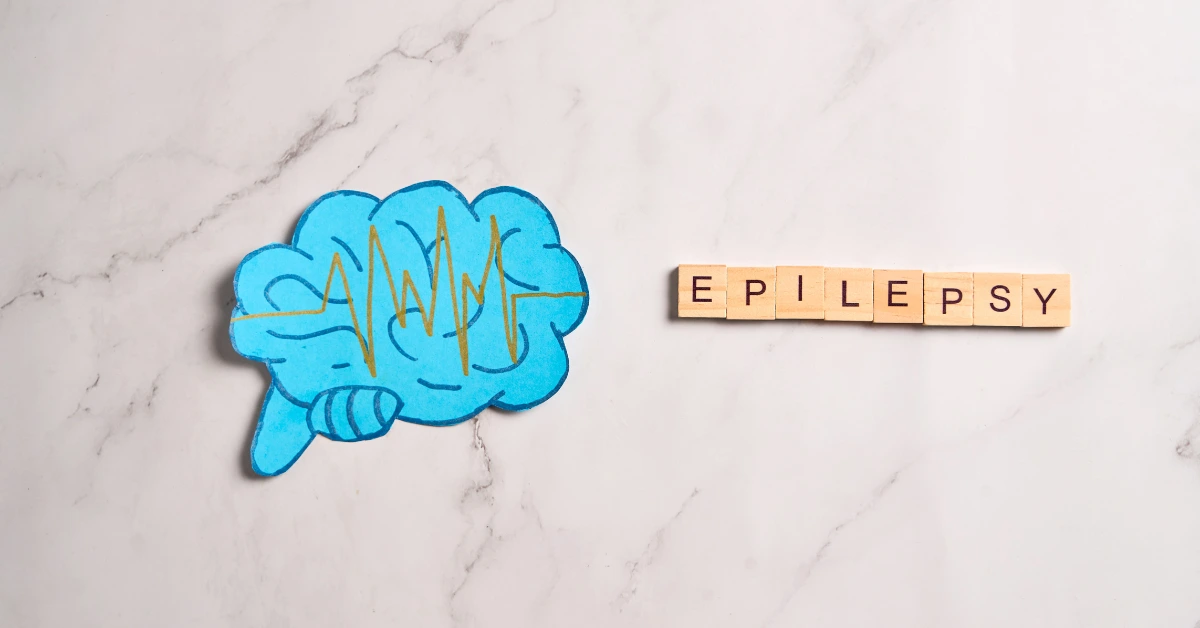
Epilepsy symptom management can feel challenging, particularly when seizures are unpredictable and treatment plans require ongoing adjustments. Finding the right combination of medical care, lifestyle strategies and supportive therapies can take time, but a personalised approach may help support overall wellbeing. In Australia, around 270,000 people live with epilepsy, and some people continue to experience seizures despite available treatments.
Managing epilepsy often involves more than one approach. Integrative care combines evidence-based medical treatment with lifestyle strategies, supportive therapies and coordinated healthcare services. This approach focuses on supporting overall wellbeing while helping people work with their healthcare team to manage their individual needs.
Person-Centred, Coordinated Care
Epilepsy management is complex, which is why coordinated care can be valuable. An integrative approach may involve collaboration between neurologists, GPs, epilepsy nurse specialists, allied health professionals and mental health practitioners.
A coordinated healthcare team can support regular treatment reviews, referrals and ongoing discussions about care options. Telehealth consultations may also improve access to healthcare professionals, particularly for people who live in regional or remote areas.
Epilepsy Nurse and Care Coordination
An epilepsy nurse specialist may provide education, support and guidance around managing epilepsy, recognising patterns and preparing questions for healthcare appointments.
Medication Management
Regular medication reviews with a healthcare professional can help ensure treatment remains appropriate for each person’s circumstances. Treatment decisions are individual and may involve reviewing benefits, side effects and lifestyle considerations.
Shared Decision-Making
Shared decision-making allows people living with epilepsy to work collaboratively with their healthcare providers. This ensures care plans consider personal preferences, health goals and individual circumstances.
An integrated approach recognises that epilepsy affects more than seizure activity alone. Physical health, emotional wellbeing, lifestyle factors and daily routines can all form part of a person’s overall care plan.
Lifestyle Management and Identifying Potential Triggers
Lifestyle factors may influence how some people experience epilepsy. Identifying personal patterns and potential triggers can be a helpful part of managing day-to-day wellbeing.
Common factors that may contribute to seizure activity for some people include disrupted sleep, stress, illness, dehydration, missed meals, alcohol consumption and certain environmental triggers.
Sleep and Stress Management
Maintaining consistent sleep routines and exploring stress management techniques, such as relaxation exercises, mindfulness or gentle movement, may support overall wellbeing.
Dietary Approaches
Some dietary approaches, including the ketogenic diet and modified low-carbohydrate diets, have been studied as supportive options for certain people with epilepsy, particularly in specific clinical situations.
These approaches should only be considered with guidance from an appropriate healthcare professional, as nutritional needs and suitability vary between individuals.
Exercise and General Health
Regular physical activity that is appropriate for an individual’s circumstances may support general health, mood and wellbeing. People with epilepsy should discuss any safety considerations with their healthcare provider, particularly if seizures are not well controlled.
Maintaining healthy routines, staying hydrated and monitoring personal triggers can form part of a broader epilepsy management plan.
Complementary and Supportive Therapies
Some people explore complementary therapies alongside their usual medical care. These approaches are generally intended to support wellbeing and should not replace prescribed treatments unless advised by a healthcare professional.
Acupuncture
Acupuncture has been explored in research relating to epilepsy management. While further evidence is needed, some people may consider acupuncture as part of a broader wellbeing approach after discussing it with their healthcare provider.
Mind-Body Practices
support stress management and emotional wellbeing. These approaches may be particularly useful for people managing the emotional challenges associated with chronic health conditions.
Yoga and Gentle Movement
Gentle movement practices, including yoga or tai chi, may support relaxation, mobility and overall wellbeing. Any exercise approach should be adapted to suit individual health needs and discussed with a healthcare professional where appropriate.
Supplements
Some people consider supplements such as magnesium, vitamin D, omega-3s or melatonin. Evidence varies depending on the supplement and individual circumstances. It is important to discuss supplements with a healthcare professional, as some products may interact with medications.
Alternative Medicine and Epilepsy Care
Alternative medicine has received attention in research relating to certain forms of epilepsy. In Australia, some cannabidiol (CBD) medicines are approved for specific epilepsy indications, including certain severe childhood epilepsy conditions.
Alternative medicine products are regulated medicines and should only be considered following assessment by an authorised healthcare practitioner. A healthcare professional can discuss whether this treatment option is appropriate based on an individual’s medical history, current treatments and health goals.
Individual responses to any treatment can vary, and decisions about alternative medications should always be made in consultation with an appropriately qualified practitioner and in accordance with Australian regulatory requirements.
Supporting Mental Health and Quality of Life
Epilepsy can affect many aspects of daily life, including emotional wellbeing, confidence, relationships and lifestyle choices. Addressing mental health alongside physical health can be an important part of comprehensive care.
Counselling and Psychological Support
Psychological support, including counselling and evidence-based therapies, may help people manage stress, emotional challenges and the impact of living with a chronic condition.
Mindfulness and Relaxation
Relaxation strategies and mindfulness practices may support emotional wellbeing and help some people develop coping strategies.
Education and Community Support
Understanding epilepsy and connecting with support networks can help people feel more informed and supported. Education resources and community organisations can provide valuable information and assistance.
Accessible Telehealth Support

Accessing healthcare support should not depend on location. Telehealth provides an option for people to connect with healthcare professionals remotely, including those who may have difficulty accessing services in person.
Telehealth consultations may support ongoing discussions about treatment plans, lifestyle considerations and available healthcare options. Digital tools, including symptom tracking apps and health records, may also help people prepare for discussions with their healthcare providers.
Supporting Epilepsy Symptom Management Through Personalised Integrative Care
Managing epilepsy often involves a personalised approach developed in partnership with healthcare professionals. Integrative care considers medical treatments alongside lifestyle factors, emotional wellbeing and supportive therapies that may contribute to overall health.
CannaTelehealth provides online healthcare consultations where patients can discuss their health concerns, treatment history and available care options with qualified healthcare professionals.
If you are exploring support for epilepsy symptom management, a telehealth consultation may help you better understand your options and discuss an approach suited to your individual circumstances.
Important: This article provides general information only and does not constitute medical advice. It is not intended to diagnose, treat, cure, or prevent any disease or condition. Always consult a registered healthcare professional for advice tailored to your individual circumstances.